blog
The Diagnosis That Changed My Trajectory
by Katerina Anamisis
June 24, 2026
In January 2022, during a routine optometry appointment, my younger brother George received a diagnosis of Usher syndrome type II (USH2). This news was devastating — not just for him, but for our entire close-knit family. With only a 15-month age gap between us, we have always navigated life side by side. We are protective of one another; he often tells me I couldn’t find someone good enough to date or marry, while I advise him on which professions might be too risky. We celebrate each other’s successes and support one another in finding solutions during challenging times.
When my brother learned about his diagnosis, I became part of the support system that helped him cope and navigate the uncertainty, which began when he started experiencing challenges with his vision without knowing the source and continued after his diagnosis. This diagnosis marked the beginning of a journey that neither of us expected; one that not only has the potential to halt the progressive vision loss associated with the condition, but also to simultaneously impact both my academic and research trajectories.
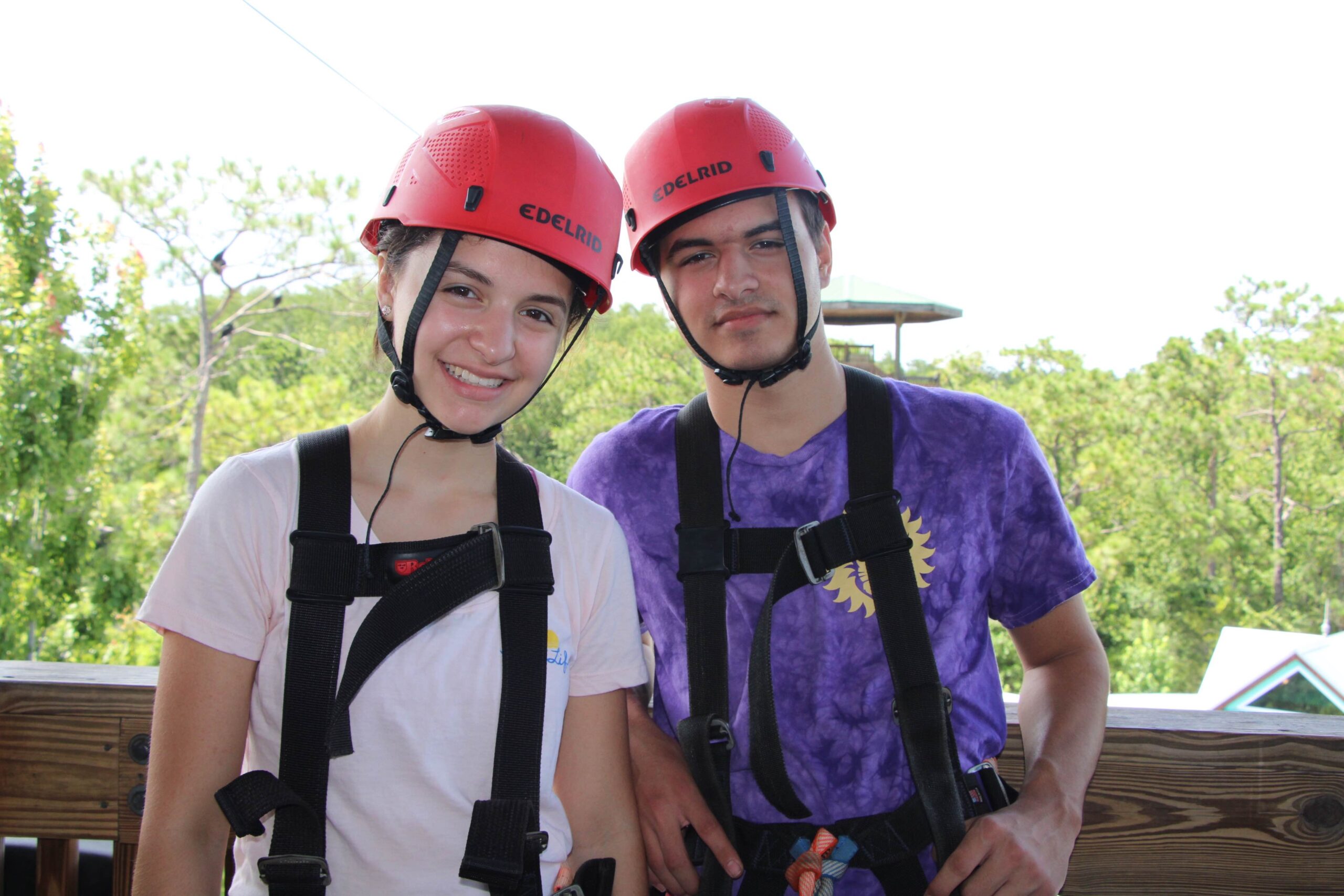
Katerina and her brother, George, ziplining at Gatorland in Florida.
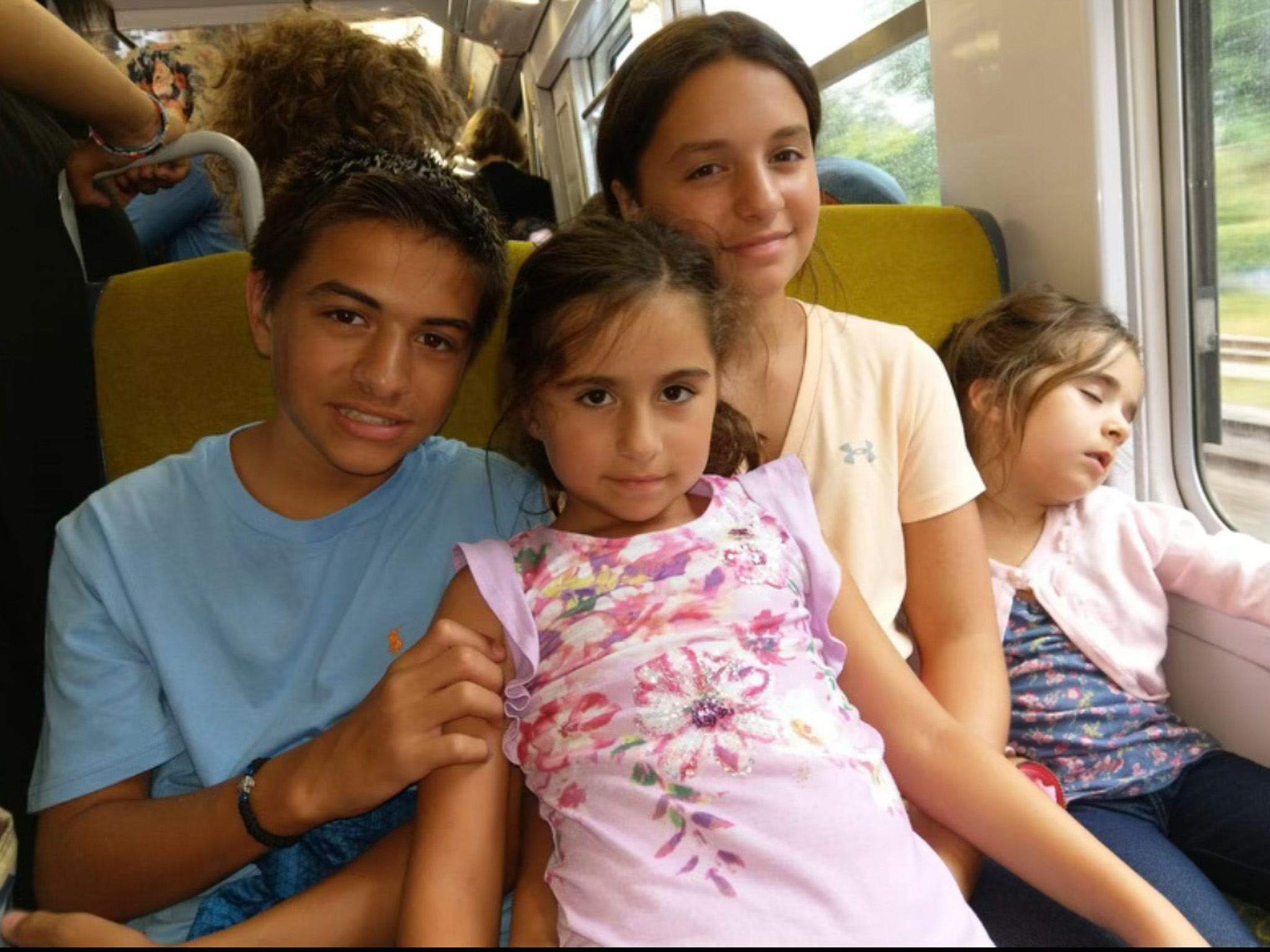
Katerina with her family on a train to Paris on her way to visit the Eiffel Tower.
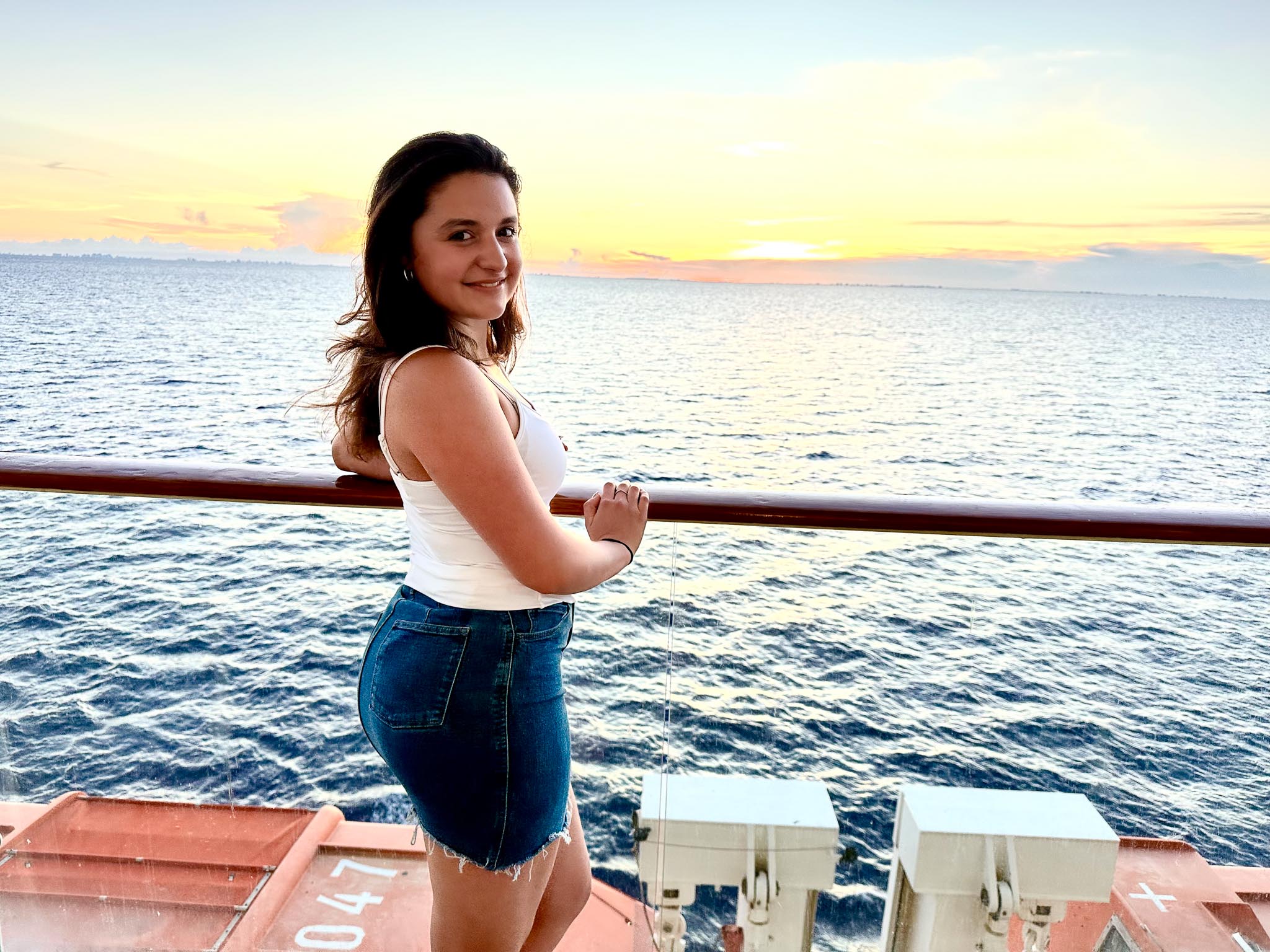
Katerina on a cruise to the Bahamas with her brother and friends.
What is Usher syndrome 2A?
Usher syndrome is one of the leading causes of hereditary deaf blindness and consists of three subtypes, with USH2 accounting for about two-thirds of cases. The most common form of Usher syndrome type II (USH2) is caused by mutations in the USH2A gene, a large gene that encodes for the protein usherin, which localizes to photoreceptor cilium and cochlear hair cells. This subtype of Usher syndrome includes moderate-to-severe sensorineural hearing loss from birth and progressive vision loss, prompting retinitis pigmentosa (RP). In RP, the photoreceptors progressively lose function, causing loss of peripheral vision that can lead to decreased night vision by adolescence and blindness by midlife. One way to gain a sense of what RP is like is to make two circles with your hands and place them around your eyes to create tunnel vision. With RP, the circle of vision lessens over time, and no one can determine how slow or fast the progression will be.
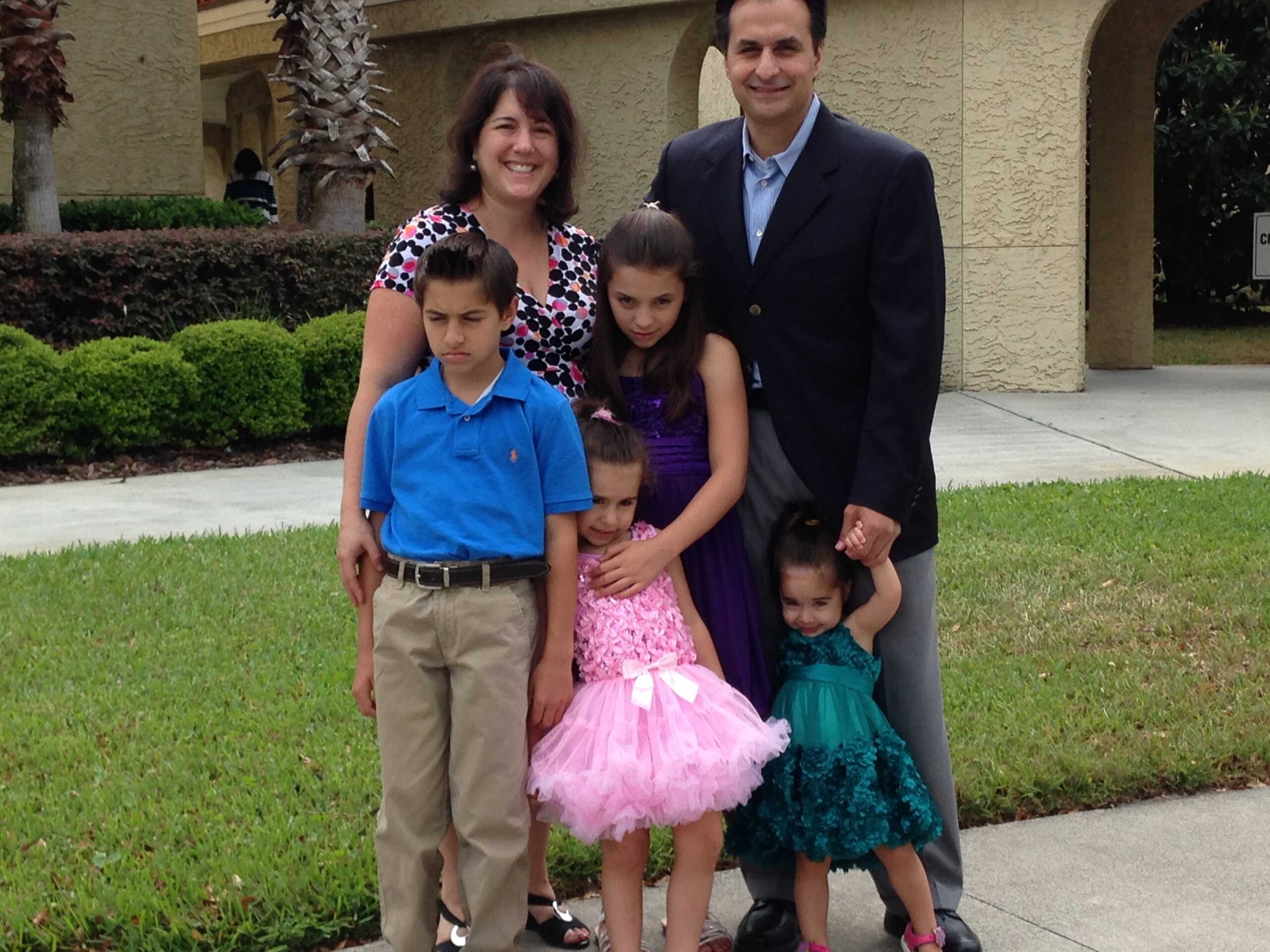
Katerina and her family outside church.
Where My Story Meets My Science
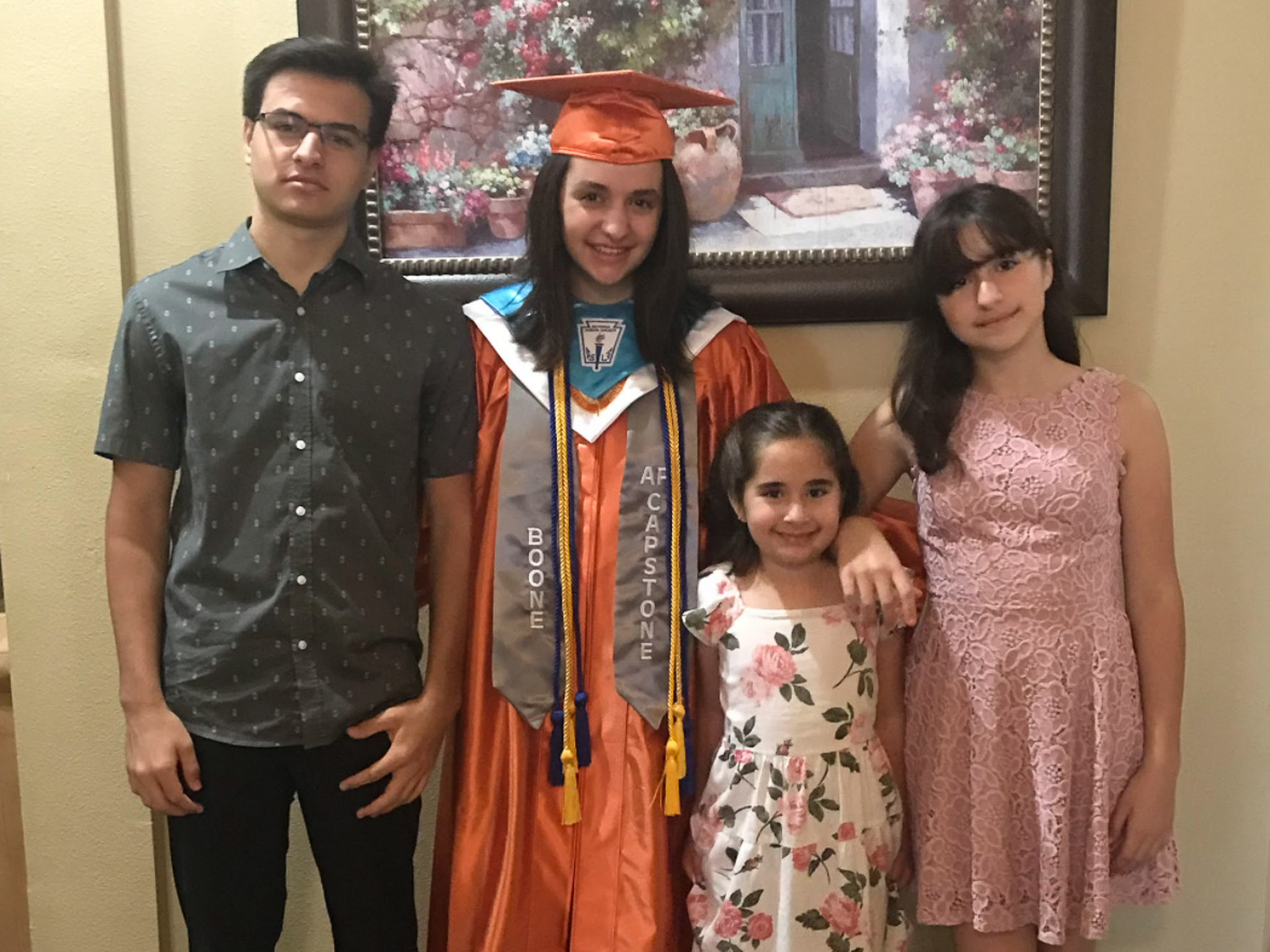
Katerina with her three siblings on her high school graduation day.
When I learned that George carries mutations in USH2A, the gene responsible for Usher Syndrome Type II, I was not paralyzed by fear; I was determined to fight it. I wanted to understand how a single change in DNA could take away both hearing and vision, and how science could potentially rewrite its outcome. That determination became the foundation of everything I pursued since, from designing CRISPR strategies and modeling exon skipping to collaborating across countries towards gene therapy solutions. Each project strengthened my resolve to turn molecular discovery into treatments for disorders.
When George’s diagnosis was confirmed, I immersed myself in literature to understand its molecular underpinnings. I learned that there was limited knowledge about the condition, so I sought research opportunities to fill that void and allow me to study hearing and vision loss firsthand. During my freshman year, I joined a lab in the University of Florida (UF) College of Medicine, where I explored how mitochondrial health influences auditory function and how sex differences shape vulnerability to hearing loss. This was the first time I realized how studying small cellular components could reveal insights on preserving the senses connecting us to the world.
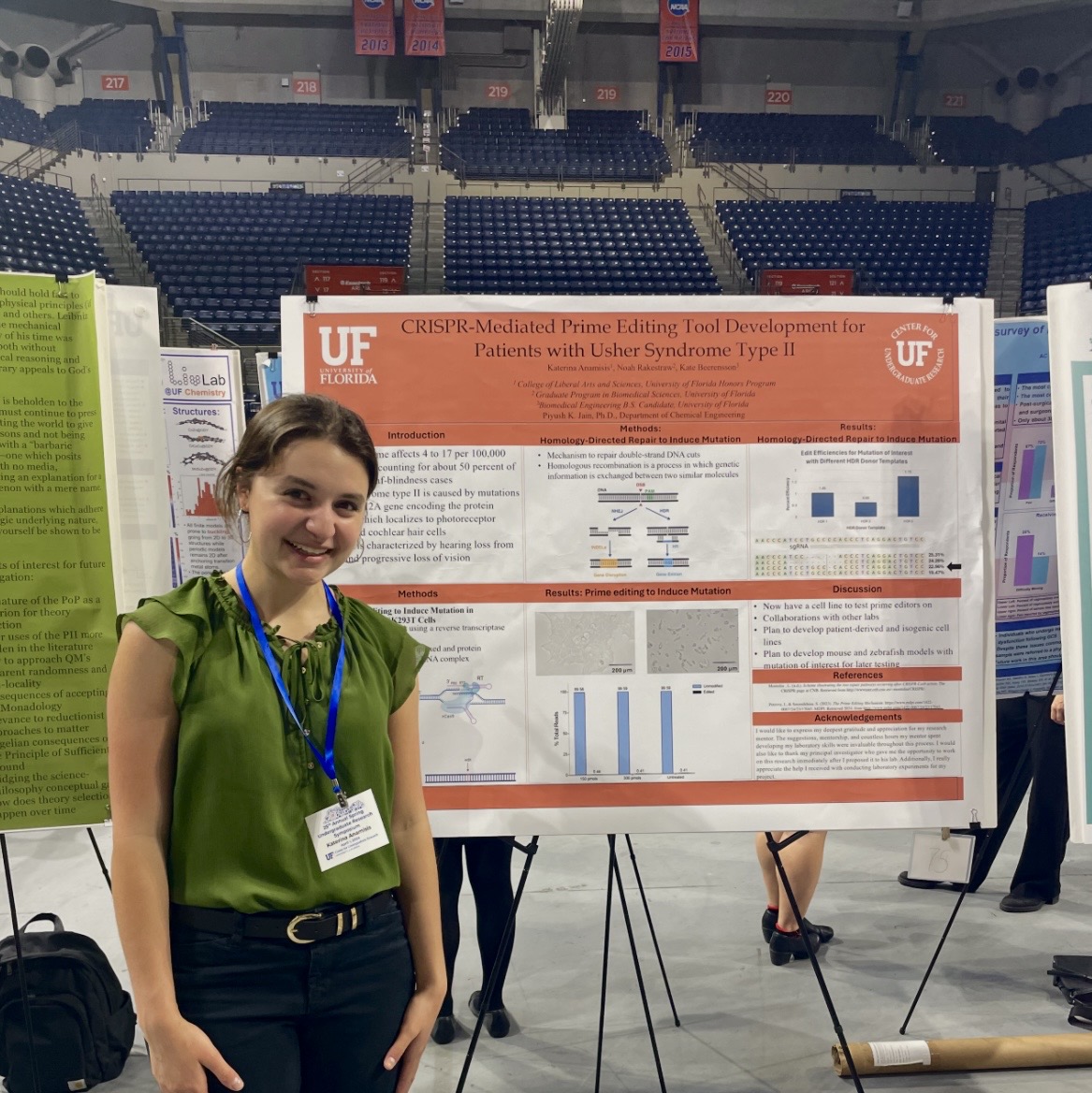
Katerina after presenting her research on CRISPR-mediated prime editing tool development targeting a USH2A mutation at the University of Florida.
Building on this newfound appreciation, my curiosity turned toward using gene editing to address hereditary disorders directly. So, I proposed a project to the Jain Lab in the University of Florida College of Engineering, where I worked under the mentorship of Biomedical Sciences Ph.D. Candidate Noah Rakestraw to develop a CRISPR-mediated gene-editing approach targeting my brother’s mutation. This was my first direct exposure to gene therapy and solidified my goal of translating molecular discoveries into treatments that could change patients’ lives. For this project, I initiated collaborations with leading international experts in gene therapies for Usher Syndrome, including Dr. Bence György, Head of Clinical Translation at the Institute of Molecular and Clinical Ophthalmology Basel in Switzerland. In parallel, I collaborated with Dr. van Wijk, Head of the Usher Syndrome and Hereditary Hearing Loss research group at the Radboud University Medical Center in the Netherlands, to evaluate exon-skipping strategies to restore proper USH2A protein folding/function in presence of specific deleterious mutations. Through protein modeling, we identified strategies that could produce modified but functional proteins capable of halting or reversing progressive vision loss in presence of specific mutations/deletions in the USH2A gene.
Shortly after this, I transferred to Boston College and joined the laboratory of Dr. Gwenaëlle Géléoc, a collaborator of Dr. van Wijk’s and whose work on exon skipping closely aligned with my growing research focus, at Harvard Medical School. In Dr. Géléoc’s Lab, I am working under the mentorship of Dr. Stephanie Mauriac, a post-doctoral researcher at Harvard Medical School, to develop antisense oligonucleotide (ASO) strategies targeting USH2A. I am testing the ability of such strategy to restore proper protein expression in cells. If experiments demonstrate successful results and show no safety concerns, this therapy may, one day, advance to the clinic.
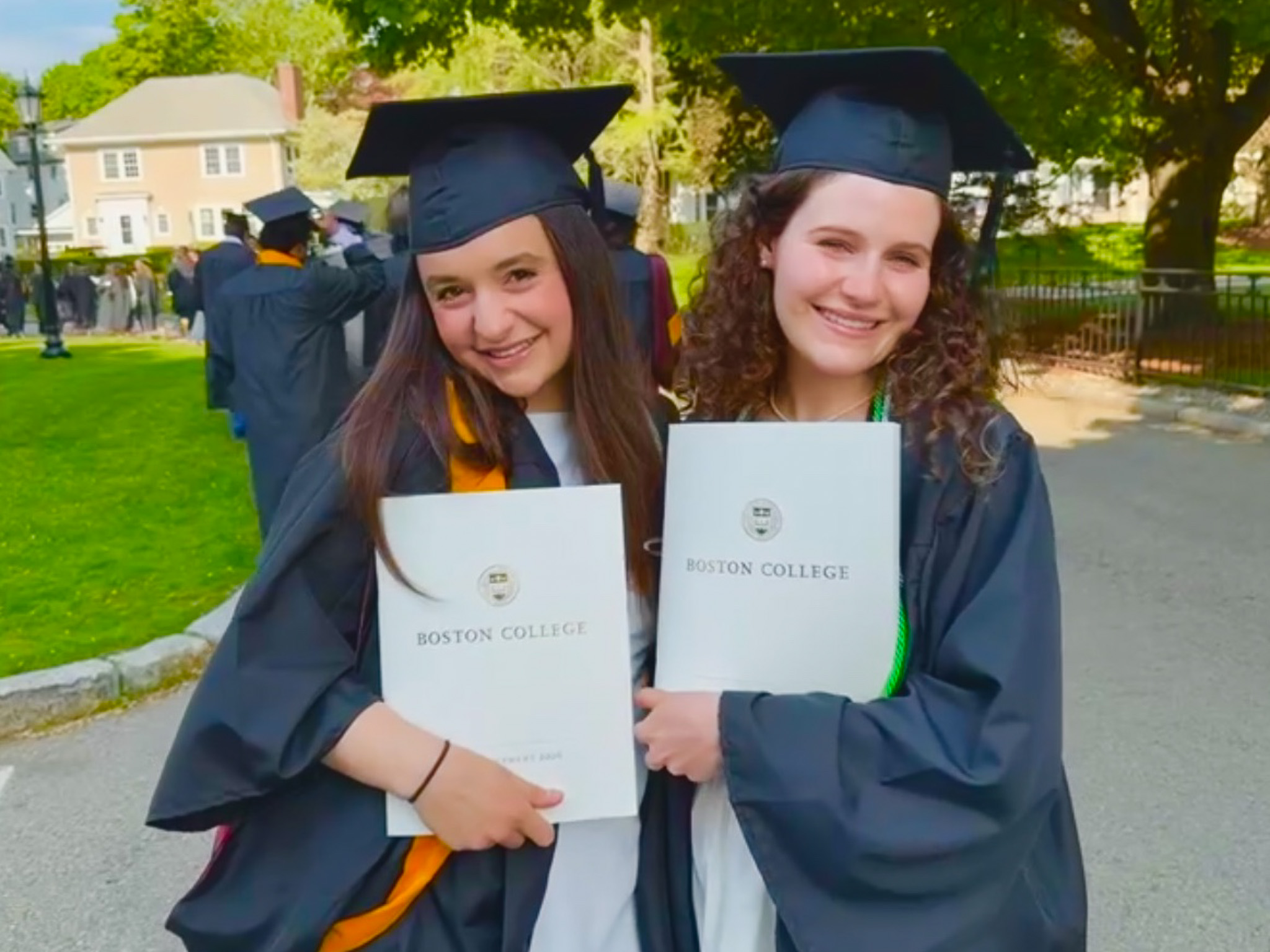
Katerina celebrating her recent graduation from Boston College with a friend
Explaining the Science
This journey began with a diagnosis that changed everything. Now, it has evolved into a mission to share knowledge and advance research through a new monthly blog. This platform will allow me to share my research journey, bridging my personal experience as a health advocate for my brother, who has USH2, and my professional experience as a researcher working to develop a therapy.
The monthly science blog will be named Skipping to Sight because my current research projects are focused on exon skipping, with the goal of bringing novel therapies to the clinic and stopping the progressive loss of vision that is associated with USH. In this blog, I will simplify and break the science down, explain how therapies go from the bench to the bedside, and outline some of my day-to-day experiments (including both successes and frustrating hurdles to overcome).
Future topics will include explaining the science behind emerging therapies for Usher syndrome, detailing what translational research looks like, discussing the techniques used in the lab to develop therapies, exploring the use of specific research models in studying USH, and outlining the process of moving a potential therapy from the lab to clinical trials. If there are topics readers are particularly interested in or would like explained in more detail, please feel free to contact the Usher Syndrome Society. Your input is invaluable, and I look forward to engaging with the community through this new blog.
Explore more Blog posts
From the Fast Lane to the White Cane by Carlos Harris
blog From the Fast Lane to the White Cane by Carlos HarrisSeptember 28, 2026 Life in the Fast Lane My name is Carlos and I have Usher syndrome type 2a. I am a 67-year-old gay man, am a 40-year HIV survivor and for the first half of my life, my world moved at a...
Swimming for a Cure: Support USH X Swim Alcatraz 2026 by Pam Aasen
blog Swimming for a Cure: Support USH X Swim Alcatraz 2026 by Pam AasenSeptember 17, 2026 In 2009, when Ethan was seven and Gavin was five, our family received the Usher syndrome type 1b diagnosis that completely rewrote our lives. We already knew our sons had...
Life in the Lab: How Do We Know If a Potential ASO Therapy Works? by Katerina Anamisis
blog Life in the Lab: How Do We Know If a Potential ASO Therapy Works? Spoiler: It's more complicated than you might think. by Katerina AnamisisAugust 26, 2026 In my last blog, The Diagnosis that Changed my Trajectory, I shared how my brother’s diagnosis of Usher...
Help us find treatments and a cure.